Astronomers have captured a rare cosmic event near the nearby star Fomalhaut. Two large asteroids collided, creating massive clouds of dust. Observing these collisions as they happen provides a unique chance to understand how planetary systems form. This also offers clues about the early days of our own solar system.
Fomalhaut has long puzzled researchers. In 2008, Paul Kalas from the University of California, Berkeley, and his team reported what seemed to be a giant planet orbiting the young star. Their discovery was based on Hubble Space Telescope images from 2004 and 2005. The object, called Fomalhaut b, sparked debate. Astronomers questioned whether it was a planet slightly larger than Jupiter or a cloud of debris.
A New Discovery
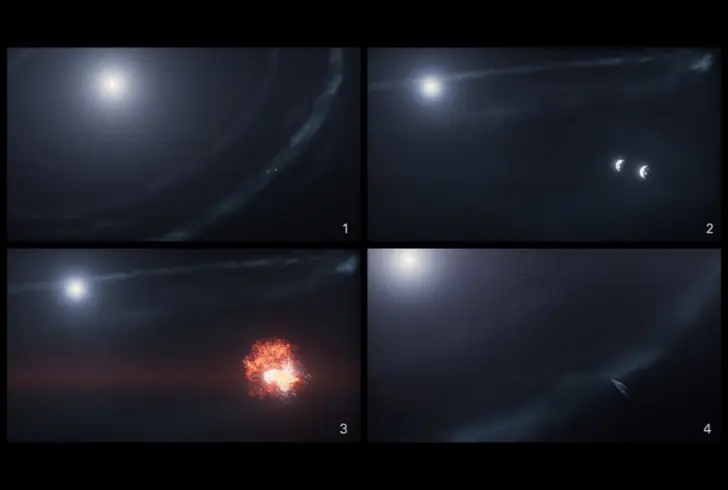
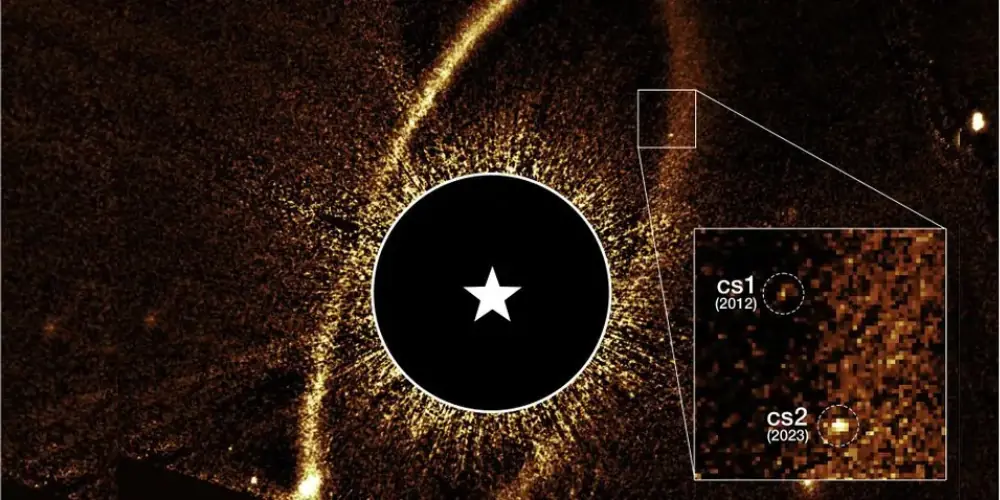
Instagram | @forth_ite | Scientists track shifting dust clouds that confirm powerful asteroid collisions near Fomalhaut.
In 2023, Kalas and his team revisited Fomalhaut using the same Hubble instruments. “We did not detect Fomalhaut b – it wasn’t visible anymore,” Kalas explained. The surprising discovery was a new bright object named Fomalhaut cs2. This stands for “circumstellar source.”
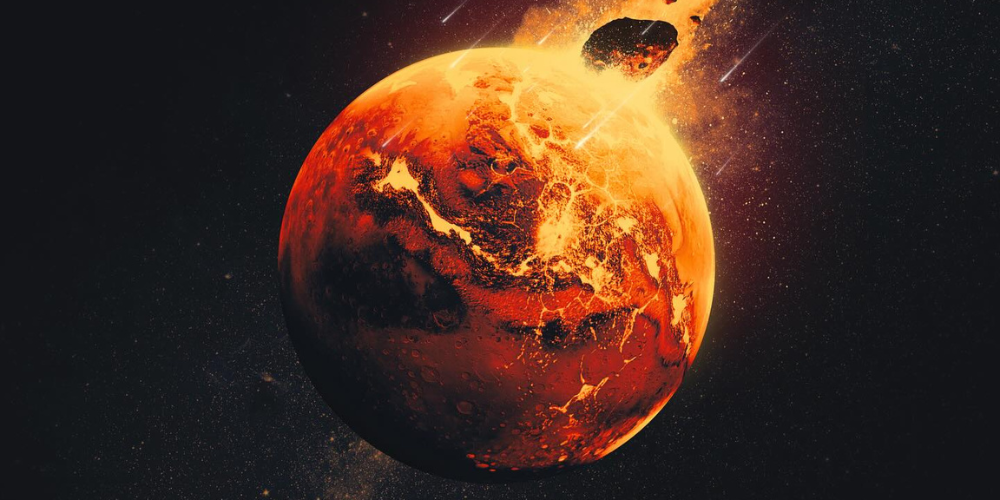
Fomalhaut cs2 is unlikely to be a planet. If it were, it would have been seen earlier. The leading explanation is that it is a dust cloud. This cloud likely formed after two asteroids, each about 60 kilometers in diameter, collided. The disappearance of Fomalhaut b suggests it was also a dust cloud, not a planet.
David Kipping of Columbia University said, “These sources are noisy and erratic, so we’re still some ways off a firm conclusion. But, all of the evidence to date seems to fit neatly under the umbrella explanation of collisions between proto-planets in a nascent system.”
Unexpected Frequency of Collisions
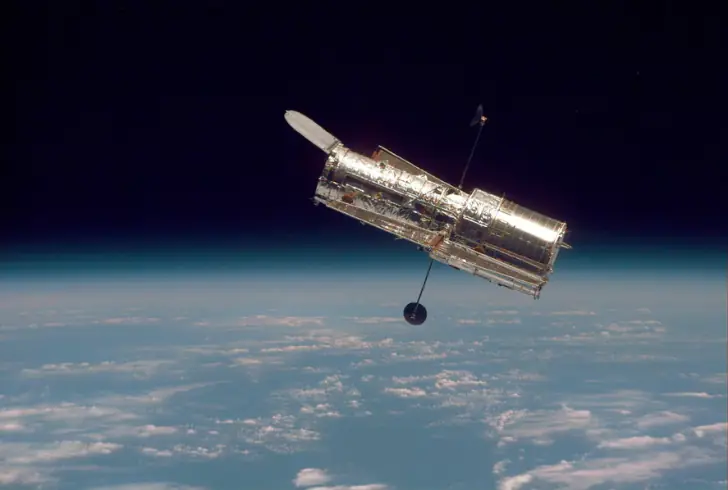
Instagram | @nasahubble | Scientists will use Hubble and JWST to track Fomalhaut’s evolving dust clouds.
Seeing two asteroid collisions in just 20 years is surprising. Theory predicts such events should happen once every 100,000 years or even less often. Kalas noted, “Fomalhaut is sparkling like a holiday tree, and that is a surprise.”
This may mean that collisions between planetesimals are more common around young stars than previously thought. Researchers plan to observe Fomalhaut cs2 and the now-dimmer Fomalhaut b for the next three years. These studies will use Hubble and the James Webb Space Telescope (JWST) to track how the dust cloud evolves.
A Window Into Planetary Formation
Watching these collisions in real time offers direct insight into how planets form. Kalas said, “We no longer have to depend solely on theory to understand these violent impacts; we can actually see them.”
These observations may also reveal how frequent such collisions were in our own solar system’s past. Kipping added, “We’ve long wondered if the moon-forming impact was typical or not beyond our cosmic shore, and here we see compelling evidence that collisions are par for the course. Perhaps we’re not as unusual as some have speculated.”
The asteroid collisions near Fomalhaut provide a rare opportunity to study young planetary systems. Each observation adds to our understanding of how dust clouds form and how planets emerge.
By tracking Fomalhaut cs2 and its surrounding debris, astronomers hope to map the timeline of these early cosmic events. This research also helps reveal how violent processes shaped our own solar system.