Mars has always been a planet of mystery, but fresh research suggests the Red Planet hides something far more unusual beneath its surface. Instead of a neatly layered interior, scientists have discovered that Mars’ mantle may be filled with giant chunks of rock left over from its violent early years.
This finding reshapes the way experts view the inner structure of the planet and offers a rare glimpse into conditions dating back more than 4 billion years.
Mars’ Messy Interior
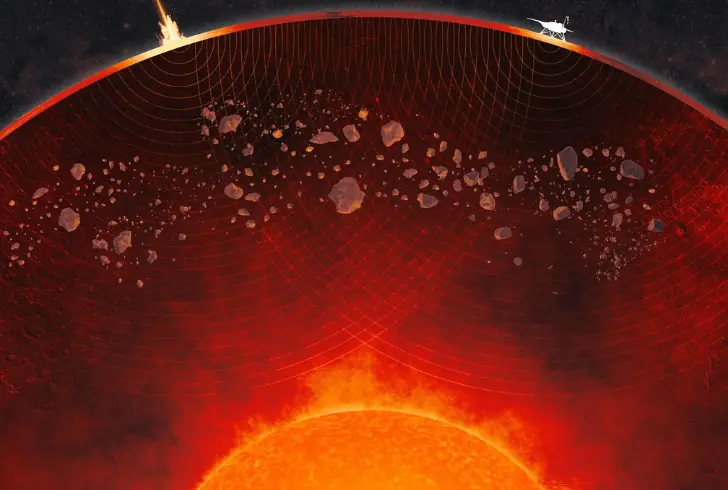
Instagram | nasasolarsystem | Rather than a tidy, layered structure, Mars has a chaotic and irregular mantle.
When most people think about the inside of a planet, the picture is often a series of tidy layers stacked one on top of another, like a clean geological cake. Mars, however, refuses to fit that description. Its mantle is irregular and chaotic, more like a hardened stew of scattered debris.
Seismic data gathered by NASA’s InSight lander between 2018 and 2022 revealed these details. Researchers studying the waves of eight strong marsquakes found clear patterns showing interference, a signal that Mars’ interior contains massive rock fragments. These blocks are not small—some are thought to be as wide as 2.5 miles (around 4 kilometers).
Traces of a Violent Past
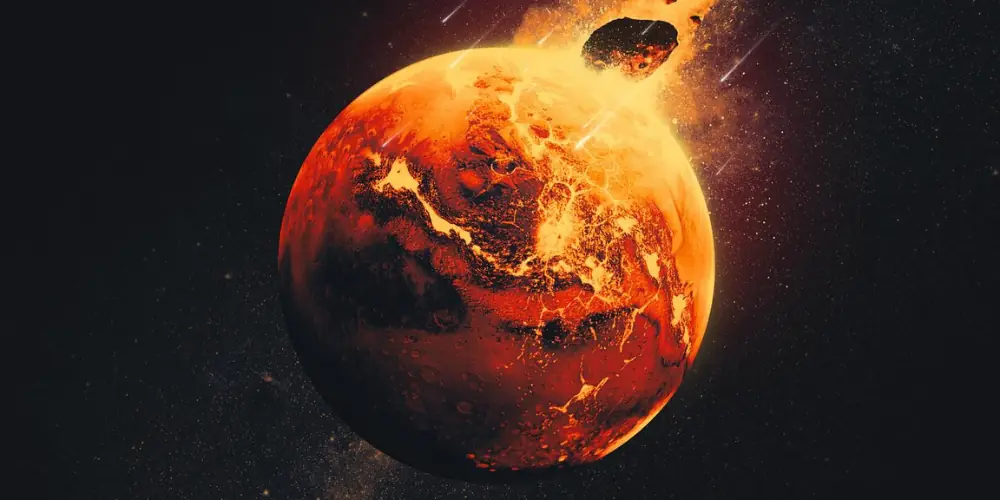
The origin of these fragments goes back to a time when Mars was still young. During its early formation, the planet was hit by massive bodies, some almost the size of small planets themselves. The impacts generated extreme heat, creating vast oceans of magma across the surface.
As the molten layers cooled, they began to crystallize, leaving behind pieces with distinct chemical makeups. Those solidified fragments remained trapped inside the mantle, becoming permanent markers of Mars’ turbulent beginnings. Scientists now believe these preserved pieces are the very ones picked up in InSight’s seismic data.
Why Mars Preserves Its Past
Unlike Earth, where tectonic plates are constantly shifting and recycling crust into the mantle, Mars operates under a stagnant system. After the surface cooled billions of years ago, it formed a hard outer shell that locked the mantle in place. This lack of movement prevented the inner structure from blending or erasing the evidence of early collisions.
The result is a kind of planetary time capsule. Deep within Mars, the record of its formation and bombardment remains sealed and untouched, waiting for scientists to interpret through seismic signals.
A Window Into Planetary Formation
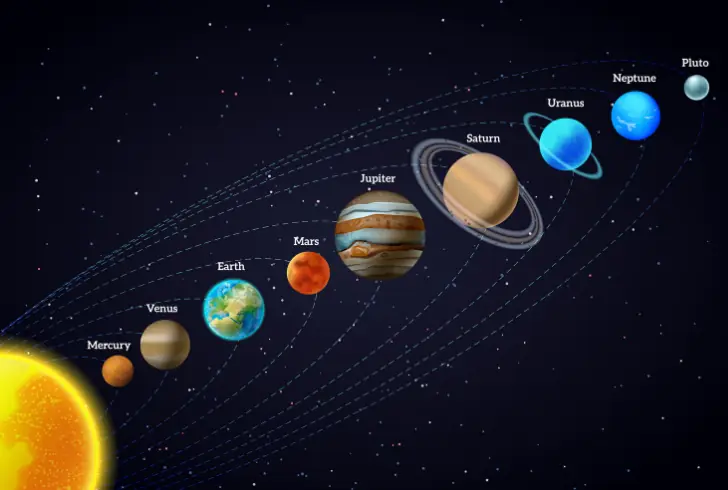
Freepik | The findings about Mars give us a better understanding of how rocky planets evolve.
The findings don’t just tell us about Mars—they also highlight the broader process of how rocky planets develop. Earth, Venus, and Mercury each followed their own geological paths. Mars, with its static interior, offers an unaltered archive of its earliest days. This makes it a valuable subject for understanding planetary formation across the solar system.
Data from InSight continues to reshape ideas about Mars long after the lander’s mission ended. Each quake recorded has opened new opportunities to “listen in” on the planet’s interior. The fact that researchers are still uncovering insights years later shows how rich the dataset truly is.
Looking Back 4.5 Billion Years
Peering into the Red Planet’s interior is like looking back through time. Every quake that shakes Mars carries traces of the planet’s birth and the catastrophic events that shaped it. These insights not only help explain Mars itself but also provide a window into how early Earth and other worlds might have formed before their surfaces changed beyond recognition.
Mars’ interior is far from smooth and predictable. Beneath its dusty surface lies a jumble of ancient rock fragments, remnants of colossal impacts from its early history. Thanks to seismic data from the InSight mission, scientists can now see beyond the planet’s crust and uncover its hidden story.
Mars stands today as a preserved record of planetary formation, a reminder that some worlds hold onto their past instead of rewriting it.