According to astrologers, the Universe went through a mind-boggling process of star formation some 12 billion years ago. It was roughly 3 billion years after the Big Bang when Cosmic Dawn kicked in. On this day, the galaxies that surround the Universe a new set of galaxies made a debut in the galaxy. Following the Cosmic Noon, the renowned Cosmic Dawn occurred which saw an unprecedented growth of stars in the galaxy.
According to scientists and astrologers, stars continued to grow bigger and bigger – at a faster pace – on the Cosmic Dawn. Thus, this ancient era of the star’s revolution is poetically named the Cosmic Dawn. However, it is essential to understand that there is a disagreement among astrologers and scientists about Cosmic Dawn. But the unanimous agreement is that it was some 2 to 3 years after the Big Bang.
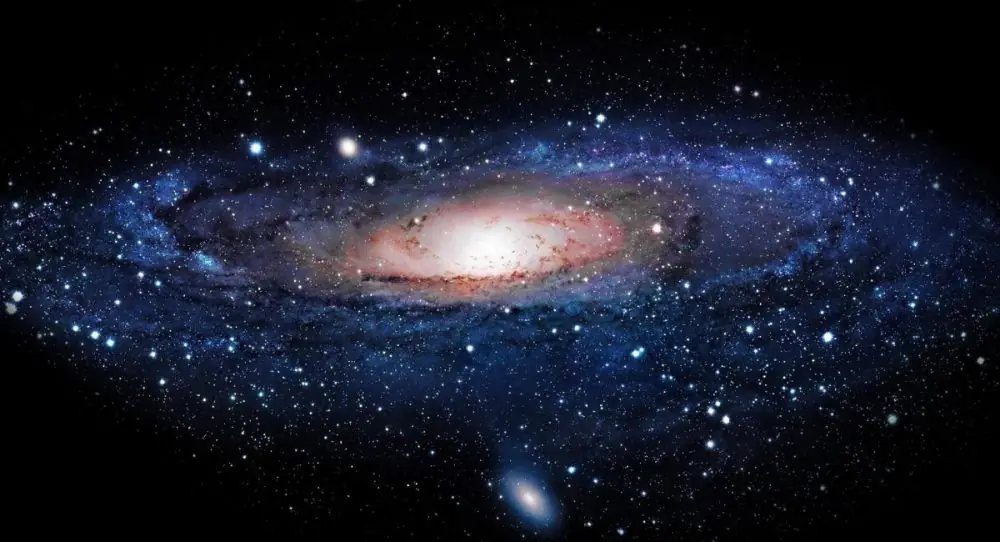
Pixabay / Pexels / Astrologers and scientists are of the belief that Cosmic Dawn occurred some 3 billion years after the Big Bang and is known as the “revolution” of stars.
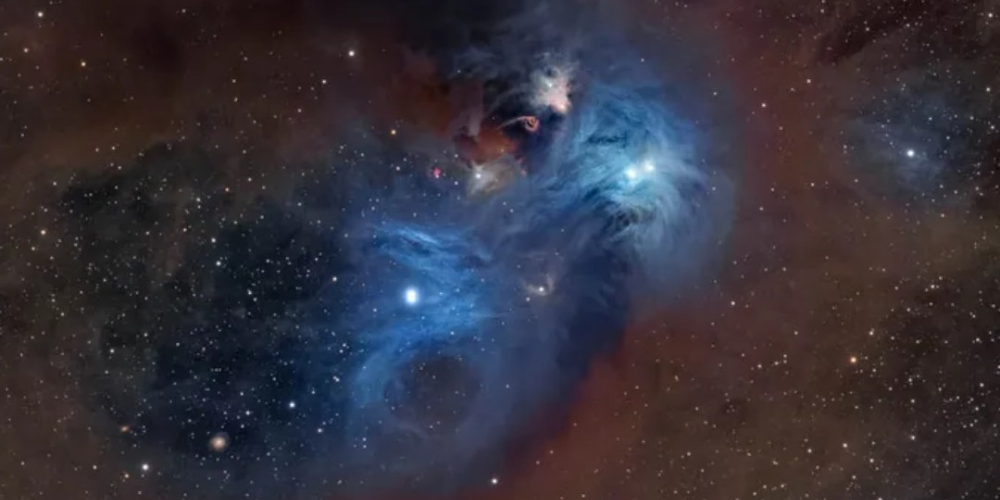
Fast forward to 1826, James Dunlop, a Scottish astrologist, discovered something relevant to Cosmic Dawn: NGC 346. The Scottish astrologer discovered that there is a cluster of young stars found in the Small Magellanic Cloud (SMC.) According to astrologers, this SMC is located some 200,000 light years away from earth.
However, what is fascinating about the discovery of the NCG 346 is that there is an entire process of stars formation in a nebula. This discovery gives a crystal ball of Cosmic Dawn. in other words, this discovery proves that the process of star formation is not a figment of the imagination of some scientists. Instead, it is something that actually occurs in the cosmos.
BBC / The 1826 discovery of NCG 346 – star formation in a nebula – is proof that the Cosmic Dawn is not a figment of the imagination of astrologers.
Astrologers argue that there is a “young and open cluster” of stars in the NCG 346. Here, new stars are born and old stars continue to grow at a rapid pace. Thus, this discovery hints at the billion years of discovery of the Cosmic Dawn. Since both of these are essentially the same, scientists have a clear picture of the Thus, this discovery hints at the billion years of discovery of the Cosmic Dawn.
Nevertheless, astrologers today have a more clear picture of the Cosmic Dawn thanks to the discovery of NGC 346.
Pixabay / Pexels / Astrologers believe that there were thousands of NCG 346 at the Cosmic Dawn.
One of the benefits of the discovery of NCG 346 is that scientists today understand that star formation on the Cosmic Noon was massive. Something that was much bigger that the star formation of NCG 346.
Based on the discovery of NCG 346, scientists argue that there were thousands of NCG 346 alike occurrences in the cosmos on the Cosmic Noon. At that time, millions of new galaxies – AKA stars were formed. Plus, old galaxies and stars became brighter and bigger. Similarly, other “typical” stars were much bigger than their original sizes by the time of Cosmic Dawn.
although scientists know exactly what happened on the Cosmic Dawn, it still remains au unsolved mystery today.