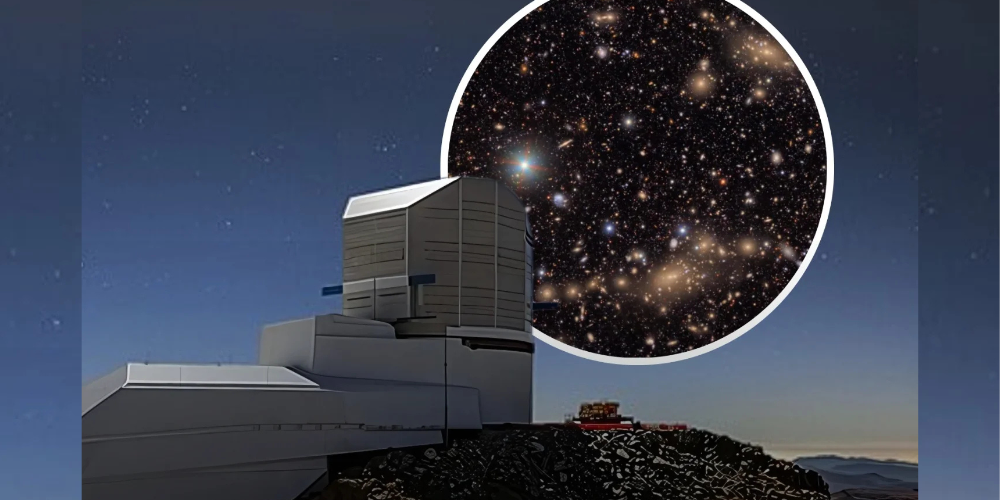
When we look up into a clear night sky, it is easy to get lost in the multitude of stars twinkling overhead. But just how many stars are out there? Astronomers have been trying to answer this question for centuries and their estimates have changed over time.
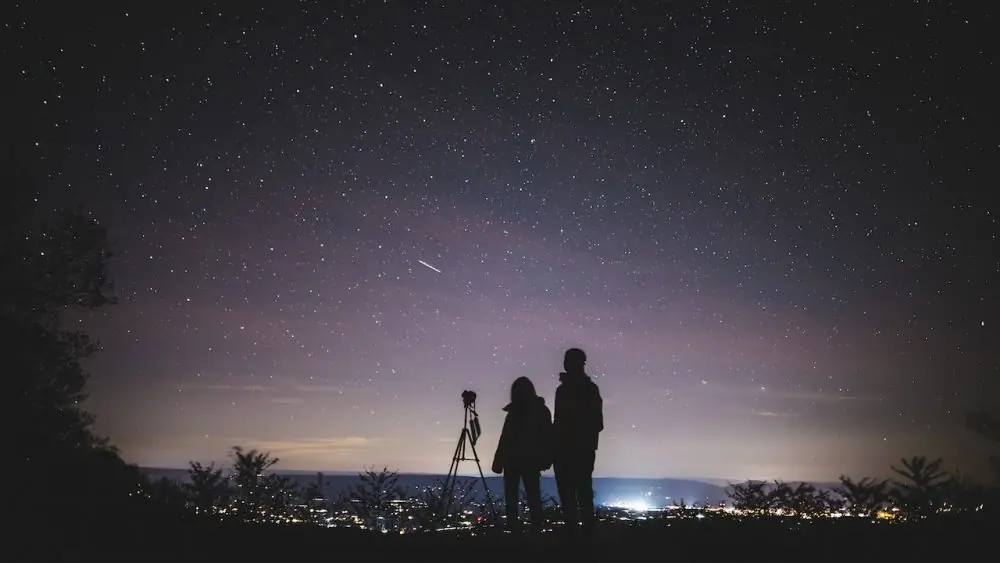
Pixabay / Pexels / According to astronomers, the night sky (full of stars) gives an incredible glimpse into understanding the universe and the cosmos.
However, astronomers have come to an understanding that there may be more stars than there are grains of sand on Earth.
Astronomers believe that most of these stars belong to one galaxy: our very own Milky Way. This spiral-shaped galaxy consists of about 200 billion individual stars. And most of them exist in two major clusters known as globular clusters.
Within our Milky Way galaxy, there are four major spiral arms. And each one of them contains a great number of stars and gas clouds.
But if we look beyond the boundaries of our own Milky Way, what will we find? Astronomers estimate that there are at least 100 billion galaxies in the universe, each containing billions of stars! This means that the total number of stars in space is likely to be over 1 trillion!
To put this into perspective, scientists believe that there are about 7.5 quintillions (7,500,000,000,000,000,000) grains of sand on Earth.
So, there may very well be more stars than grains of sand.
Rafael / Pexels / Astronomers suggest that there are more than 200 billion stars in the Milky Way galaxy alone.
Although we have been able to make estimates about how many stars there are in space, the exact number is impossible to know. Our current technology is not capable of detecting all of these stars, and some may be too far away from us for our instruments to detect. This means that there could very well be even more stars out there than we currently think!
The mysteries of space will continue to fascinate astronomers for years to come as they strive to learn more about our universe and its many wonders. For now, we can marvel at the tremendous number of stars that fill the night sky: A reminder of just how vast and mysterious our universe truly is.
Astronomers have long studied the stars and planets in an effort to understand how they impact our lives. By studying the movements of these celestial bodies, astrologers can make predictions about the future and provide insight into human behavior.
From this data, astrologers may gain a better understanding of what lies ahead for us in our lives.
Alex / Pexels / Astronomers believe that there are more than 7.5 7.5 quintillions of stars in the cosmos.
The vastness of space is truly breathtaking, and astronomers will continue to explore its depths for generations to come. With every new discovery, we learn more about the wonders that lie beyond our own Milky Way Galaxy – including the mystery of just how many stars are really out there. For now, it remains a mystery.
But one thing is certain: the night sky provides us with a spectacular glimpse into the incredible power of the universe.