When discussing comet astrology, myths, and misconceptions often take center stage. Throughout history, comets have been seen as omens, sparking fear and speculation about their influence on earthly events. From ancient civilizations to modern interpretations, the mysterious nature of comets has led to a fascinating blend of myth and fact.
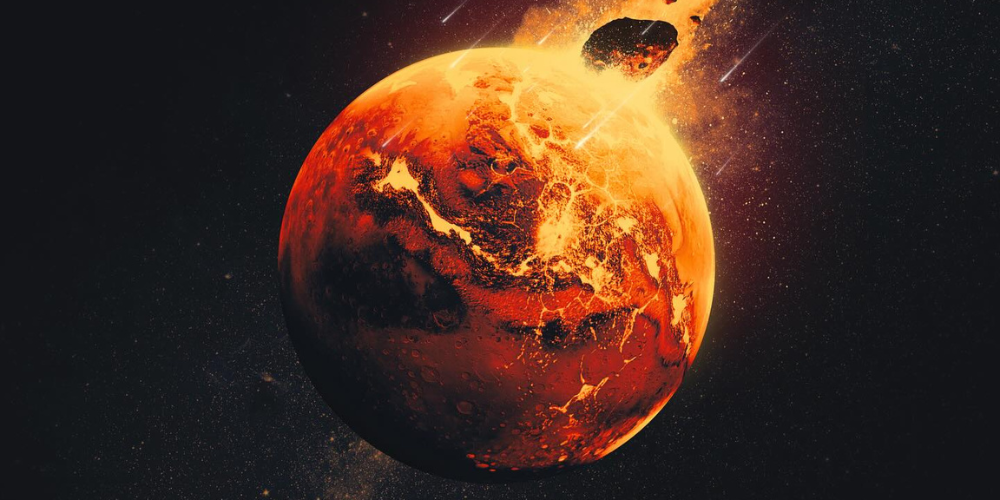
In ancient times, comets were often viewed with a sense of dread. Ancient Greeks considered them as anomalies, disruptions in the heavens that could signal disaster. The bright tails of comets, visible even from Earth, were linked to extreme weather, such as droughts and storms. This association fueled the belief that comets were harbingers of natural calamities, bringing destruction wherever they appeared in the sky.
kjpargeter | Freepik | Ancient Greeks considered comets as anomalies, disruptions in the heavens that could signal disaster.
For instance, historical records suggest that comets’ appearances coincided with significant disasters. In 373-372 BC, a comet was observed as earthquakes and tsunamis wreaked havoc. This connection between comets and disasters only deepened the fear surrounding them, leading to the widespread belief that comets were a sign of divine displeasure.
Beyond natural disasters, comets were also seen as political and social upheaval indicators. In ancient Rome, comets were associated with leaders’ deaths and empires’ downfall. Julius Caesar’s assassination in 44 BC was linked to a bright comet in the sky, interpreted as a sign that his soul had ascended to the heavens. This event reinforced the belief that comets were omens of significant and often tragic events.
This association persisted through the Middle Ages when comets continued to be viewed as symbols of evil power. They were blamed for wars, plagues, and kings’ deaths. For instance, the infamous Halley’s Comet was linked to multiple disasters over the centuries, including the Battle of Hastings in 1066 and the Black Death in 684 AD. These events contributed to the notion that comets brought not just natural disasters but human suffering as well.
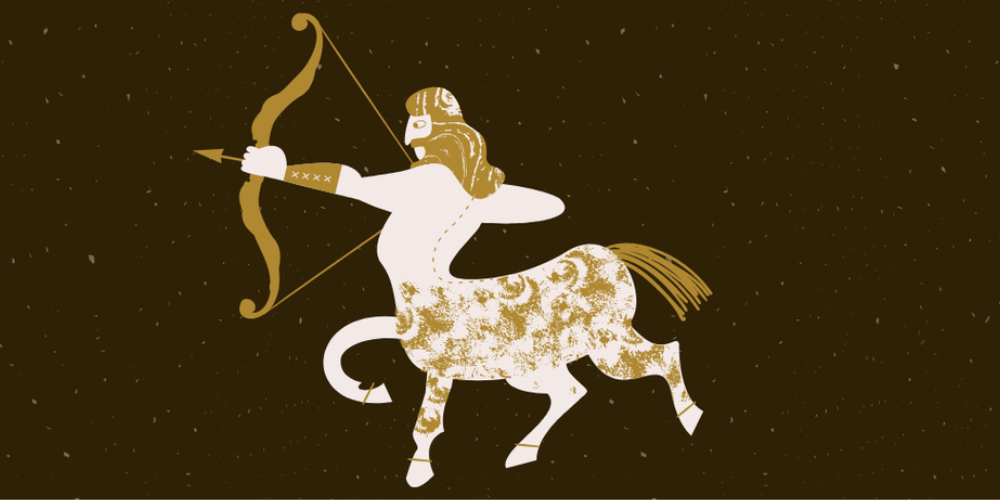
From an astrological perspective, comets have long been seen as disruptive forces. Ancient astrologers would study a comet’s color, shape, and path to predict its influence. For example, a comet passing through a fire sign was believed to signal wars and conflicts, while one in a water sign might predict floods or storms. The location of the comet in the zodiac and its proximity to certain planets would inform astrologers about the types of events it might herald.
Astrologers also associated specific countries with zodiac signs, suggesting that a comet in a particular sign could spell disaster for the nations it represented. This method of interpretation linked comets to everything from natural phenomena to political strife, reinforcing their reputation as ominous portents.
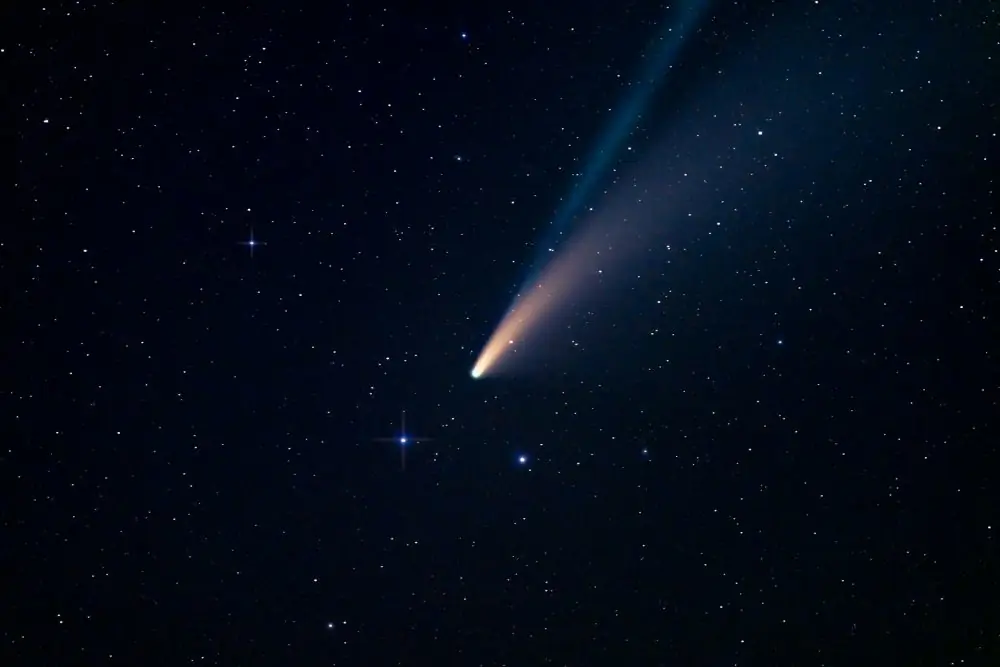
kjpargeter | Unsplash | Comets are now often seen as catalysts for transformation rather than purely negative omens.
In more recent times, the interpretation of comets has evolved. While still regarded as symbols of change, they are now often seen as catalysts for transformation rather than purely negative omens. The release of energy as a comet approaches the sun is seen as a metaphor for releasing new ideas and breaking old patterns.
Comets are now sometimes viewed as bearers of innovation, symbolizing the birth of new thoughts and movements. Their unpredictable nature still suggests disruption, but this disruption is often framed as a necessary step toward progress and growth.