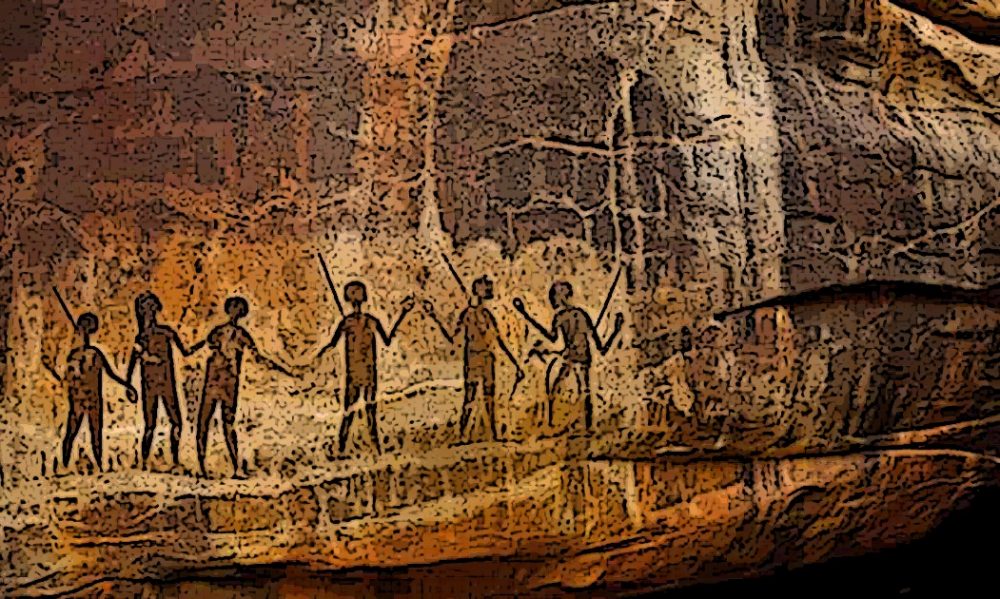
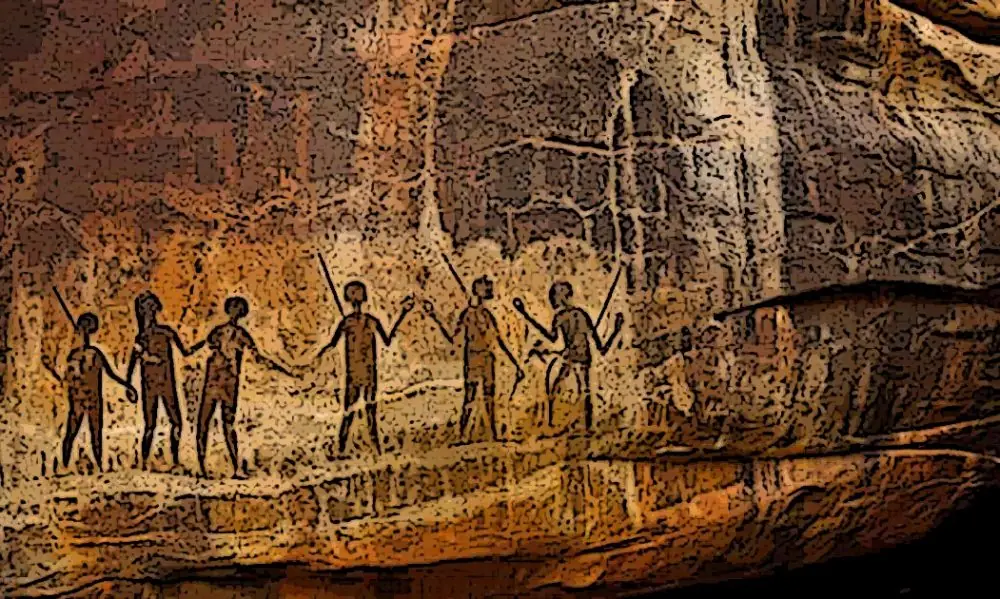
Aboriginal astrology may not look like the star signs you know. But it is a stunning way to view the cosmos. Aboriginal Australians never practiced traditional astrology, but their deep understanding of the sky and its movements forms a profound cultural connection to nature and time. The ancient site Wurdi Youang, near Melbourne, shows just how closely these Indigenous communities aligned their lives with the heavens.
This stone circle, estimated to be over 11,000 years old, aligns with key events like the March Equinox in Aries, proving their incredible astronomical knowledge long before Western charts and constellations.
Even without astrological charts, Aboriginal Australians relied on the stars to guide life, identity, and storytelling. It wasn’t about horoscopes or planetary influence but interpreting the cycles of the sky to preserve cultural values and survival. Their approach is timeless. It resonates deeply with modern efforts to reconnect humanity with the natural world.
At the heart of Aboriginal astrology lies the ancient stone circle of Wurdi Youang. Older than Stonehenge, this sacred site maps out the December Solstice (Capricorn for astrologers), the June Solstice (Cancer), and the March Equinox (Aries). It is awe-inspiring to think that these markers have survived millennia, standing as silent witnesses to the sky’s cyclical beauty.
Geek / Wurdi Youang reflects the precision and respect with which Aboriginal Australians observed the heavens.
They did not see constellations like Aries or Capricorn. Instead, they identified meaningful patterns, like the emu-shaped stars, to signify cultural stories. This grounded, Earth-first view of the universe offers an alternative perspective to traditional astrology that feels fresh and vital.
March 21st, 2025, marks the Aries Equinox – a cosmic event that Aboriginal sky-watchers would have tracked carefully. While they didn’t call it “Aries,” this equinox symbolized balance, signaling a pivotal shift in seasons and light. In modern astrology, Aries represents identity, self-promotion, and new beginnings.
These themes resonate when you consider Aboriginal practices of marking time and transitions through nature.
Wurdi Youang, with its alignment to equinoxes and solstices, captures these shifts. Its precision underscores how Aboriginal Australians deeply understood how celestial cycles affected their environment. They tied the movement of stars not just to farming or survival but to cultural identity, leaving a legacy of reverence for the skies.
In Aboriginal astrology, the stars reflected life, identity, and connection – not fate. Unlike modern astrology’s focus on charts, Aboriginal traditions used stars to tell ancestral stories and guide personal identity. If the Aries Equinox connects to self-image in Western astrology, Aboriginal Australians interpreted such transitions as part of a broader cultural journey.
History / The emu constellation – a standout in their astronomy – represents creation and fertility.
These patterns shaped the way communities understood themselves and their place in the world. Aboriginal astrology was not about prediction. It was about rooting identity in the land and sky. Thus, creating a harmony that modern astrology often overlooks.
Aboriginal astrology shows us that the stars are more than just signs. They are connections. By mapping natural cycles like the equinox in Aries, Indigenous Australians built a cultural blueprint tied to land, sky, and spirit. Modern astrology often centers on personal destiny. But Aboriginal star lore focuses on community, environment, and storytelling.
However, this difference feels refreshing. It offers an alternative approach to understanding celestial movements – one rooted in environmental awareness. For those of us swept up in zodiac memes and personality charts, Aboriginal perspectives remind us to pause and look at the stars for connection, not answers.