Few songs from the 1960s have left as strong an impact as “Paint It Black” by The Rolling Stones. Released in 1966, this haunting track quickly became a defining piece of its era. With its dark lyrics and hypnotic melody, the song resonated deeply with listeners facing personal struggles, political unrest, and the reality of war.
Keith Richards once described The Rolling Stones’ style as “cynical, nasty, skeptical, and rude.” Their music reflected the chaos of the decade, and “Paint It Black” was no exception. As the Vietnam War raged on and social tensions escalated, the song became an anthem for those who felt anger, sadness, and disillusionment.
A Song Born in a Time of Turmoil
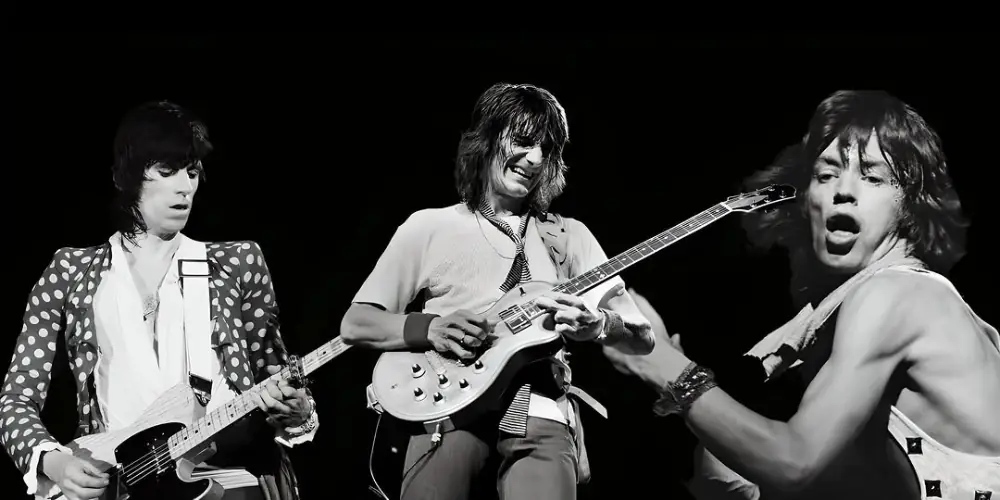
Instagram | wastedrockers | Brian Jones’ sitar and Mick Jagger’s voice made Paint It Black a haunting anthem of the 1960s.
The mid-1960s was a period of immense political and cultural change. The Vietnam War dominated headlines, civil rights movements gained momentum, and youth countercultures challenged traditional norms. Against this backdrop, The Rolling Stones crafted a song that captured the despair of an entire generation.
Musically, “Paint It Black” stood out. ‘Brian Jones’ use of the sitar gave the song an eerie, almost trance-like feel. This exotic instrumentation, paired with a relentless rhythm and Mick Jagger’s mournful vocals, created a sound unlike anything heard in rock music at the time.
The song’s lyrics, filled with imagery of darkness and sorrow, only deepened its impact. The narrator speaks of a world devoid of color and joy, symbolizing deep emotional pain. Whether expressing personal grief or societal despair, the song struck a chord with audiences worldwide.
Interpreting the Lyrics
On the surface, “Paint It Black” tells the story of someone experiencing profound loss. The narrator sees a red door and wishes to “Paint It Black”, a metaphor for wanting to erase happiness and light from life. The lyrics suggest deep mourning, as the protagonist can no longer find beauty or meaning in the world.
However, many believe the song carries a broader message. Given its release during the Vietnam War, some interpret it as a reflection on the horrors of battle. Young men were being drafted, families were grieving lost loved ones, and protests filled the streets. The song’s somber tone and dark lyrics perfectly captured the sense of despair felt by many during that time.
Others suggest “Paint It Black” might reference a psychedelic experience, possibly a bad acid trip. The 1960s saw the rise of drug culture, and many artists explored altered states of consciousness through their music. The song’s disorienting melody and themes of paranoia and isolation align with the effects of certain hallucinogens.
Mick Jagger’s Cryptic Explanation
Instagram | mickjagger | Mick Jagger keeps the meaning of “Paint It Black” a mystery leaving fans to interpret it their own way.
Despite endless speculation, The Rolling Stones have never clearly stated the song’s meaning. Mick Jagger once responded to a question about its theme by saying, “I don’t know. It’s been done before. It’s not an original thought by any means. It all depends on how you do it.”
His vague answer suggests that “Paint It Black” was intentionally ambiguous. The song’s themes of death, grief, and hopelessness allow listeners to project their own emotions onto it. Whether mourning a lost love, grieving a fallen soldier, or experiencing personal struggles, fans have found solace in the song for decades.
A Timeless Anthem of Sorrow
Decades after its release, “Paint It Black” remains one of The Rolling Stones’ most powerful songs. Its haunting melody and thought-provoking lyrics continue to captivate listeners across generations. The song’s universal themes of loss and despair ensure its relevance, making it a classic that refuses to fade with time.
Whether viewed as a personal lament, a protest against war, or a reflection on inner turmoil, “Paint It Black” stands as a timeless testament to the emotions that define the human experience.