
Zodiac signs, also known as astrological signs, have been a part of human civilization for thousands of years. These signs are based on the position of celestial bodies, particularly the sun, the moon, and planets, at the time of a person’s birth.
The origins of zodiac signs can be traced back to ancient civilizations and their beliefs in astrology. Keep reading to learn more about the origins of zodiac signs, their cultural significance, and how they continue to influence our lives today.
The origins of zodiac signs can be found in ancient Mesopotamia, one of the cradles of civilization. Mesopotamian astronomers developed the concept of dividing the sky into twelve equal parts, each representing a constellation. This system was influenced by their observations of the movement of celestial bodies, particularly the sun’s path across the sky throughout the year.
Soham Singh/ Twitter | The origins of zodiac signs can be traced back to ancient Mesopotamia and the Babylonian Zodiac
The Babylonians, who inherited the knowledge of Mesopotamia, further developed the zodiac concept. They assigned specific meanings and characteristics to each of the twelve constellations. This system became known as the Babylonian Zodiac and was used for divination and predicting the future.
During the Hellenistic period, the ancient Greeks expanded on the Babylonian Zodiac and incorporated it into their system of astrology. Greek astrologers associated the zodiac signs with specific personality traits and believed that the positions of the planets at the time of a person’s birth influenced their fate and characteristics.
Getty Images/ Olegback | The 12 astrological signs of the zodiac are each considered to occupy 1/12 of its great circle
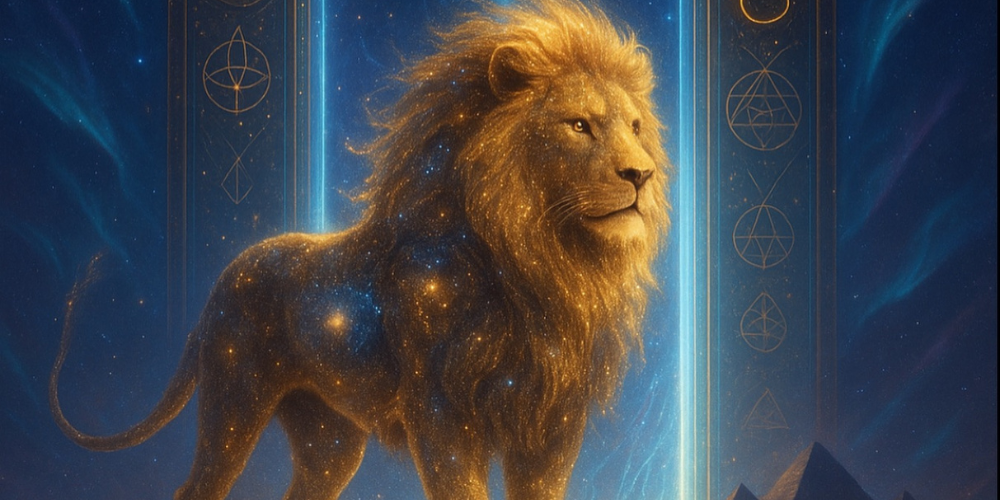
The twelve zodiac signs, as we know them today, were established during the Hellenistic period. Each sign corresponds to a specific year period and is associated with a particular constellation. The signs, in order, are Aries, Taurus, Gemini, Cancer, Leo, Virgo, Libra, Scorpio, Sagittarius, Capricorn, Aquarius, and Pisces.
Zodiac signs have significantly influenced various cultures and belief systems throughout history. They have been used for personal guidance, divination, and understanding human behavior. Many ancient civilizations, including the Egyptians and the Chinese, developed astrological systems based on their cultural and celestial observations.
Astrology, including the interpretation of zodiac signs, continues to be widely practiced and followed in the modern era. Although astrology is not considered a scientific discipline, many people find personal meaning and guidance by studying their zodiac signs. Horoscopes, which provide astrological predictions based on a person’s zodiac sign, are popular in newspapers, magazines, and online platforms.
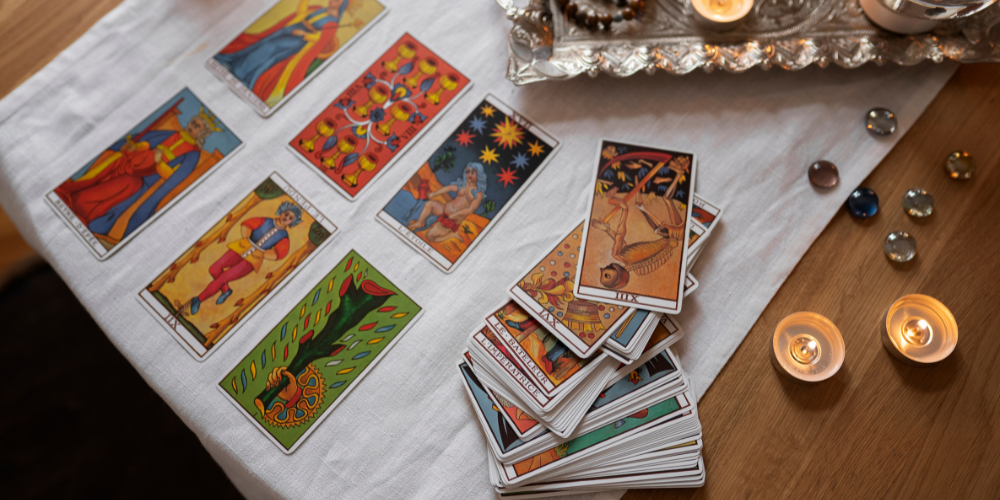
Jakub Pabis/ Pexels | Zodiac signs hold cultural significance and continue to captivate the imagination of people worldwide.
In contemporary astrology, zodiac signs are often interpreted from a psychological perspective. Rather than making specific predictions, astrology is viewed as a tool for self-reflection and understanding. The characteristics associated with each zodiac sign are seen as archetypes that can help individuals gain insights into their personality traits, strengths, and challenges.
Zodiac signs have gained significant popularity in pop culture, particularly through social media and online communities. Memes, quizzes, and discussions about zodiac signs are widespread, with many people identifying strongly with the characteristics and traits associated with their sign. Zodiac compatibility, which examines the compatibility between different signs in relationships, is also a popular topic of discussion.