Astrology has shaped the way people view celestial events and their influence on life for centuries. However, modern horoscopes, as seen in newspapers and magazines today, have a surprisingly recent origin. It was the birth of Princess Margaret, Queen Elizabeth II’s younger sister, in the 1930s that sparked their rise to popularity.
The concept of modern horoscopes entered newspapers in 1930, during the time of Princess Margaret’s birth on August 21. To celebrate the royal birth, John Gordon, editor of the British newspaper “Sunday Express,” wanted something unique. He decided to commission an astrologer to write about the princess.
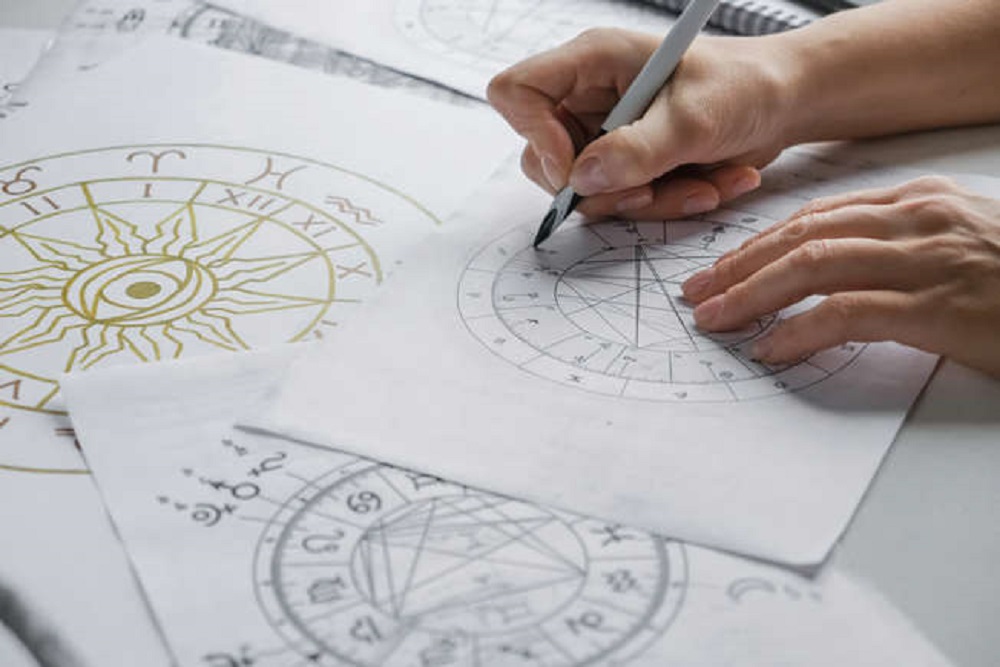
Freepik | The 1930s saw the rise of newspaper horoscopes, starting with Princess Margaret’s birth.
The newspaper first contacted William Warner, known as Cheiro. Cheiro was famous for reading the palms of notable figures like Oscar Wilde and Thomas Edison. Unfortunately, he wasn’t available. Instead, his assistant, R.H. Naylor, took on the task.
On August 24, 1930, just three days after Princess Margaret was born, the “Sunday Express” published Naylor’s column. Titled “What the Stars Foretell for the New Princess,” the piece predicted that the princess, born under the Leo zodiac sign, would lead an “eventful life.”
Naylor also wrote that “events of tremendous importance to the royal family and the nation will come about near her seventh year.” While the timing wasn’t exact, this prediction seemed to align with King Edward VIII’s abdication in 1936. This event occurred just before Princess Margaret turned seven.
The abdication reshaped the royal family. Edward VIII gave up the throne to marry Wallis Simpson, which led to Princess Margaret’s father, George VI, becoming king. Her sister Elizabeth then became the heir to the throne.
Even before Naylor’s predictions about Princess Margaret proved accurate, his column gained immense attention. Readers were fascinated and began requesting more forecasts.
Naylor cemented his reputation when, in October of the same year, he made another bold prediction. He warned that a “British aircraft would be in danger between October 8 and 15.” While slightly off in timing, on October 5, a passenger airship, the R101, crashed in France. The tragedy killed 48 people and drew widespread attention to Naylor’s forecasts.
This success led the “Sunday Express” to hire Naylor as a regular contributor. He wrote two weekly columns—one focused on world events and the other offering birthday-based predictions.
As Naylor’s popularity grew, he adapted his approach. Instead of focusing solely on birthdays, he organized predictions by the 12 zodiac signs. This shift created the modern horoscope format that is still used today. While the zodiac signs originated in ancient Greece, Naylor took a unique step. He introduced personality traits for each sign, making horoscopes more personal and relatable.
Naylor titled his column “Your Stars,” which quickly became a favorite among readers. Other newspapers soon adopted similar horoscope sections, solidifying astrology’s place in popular culture.
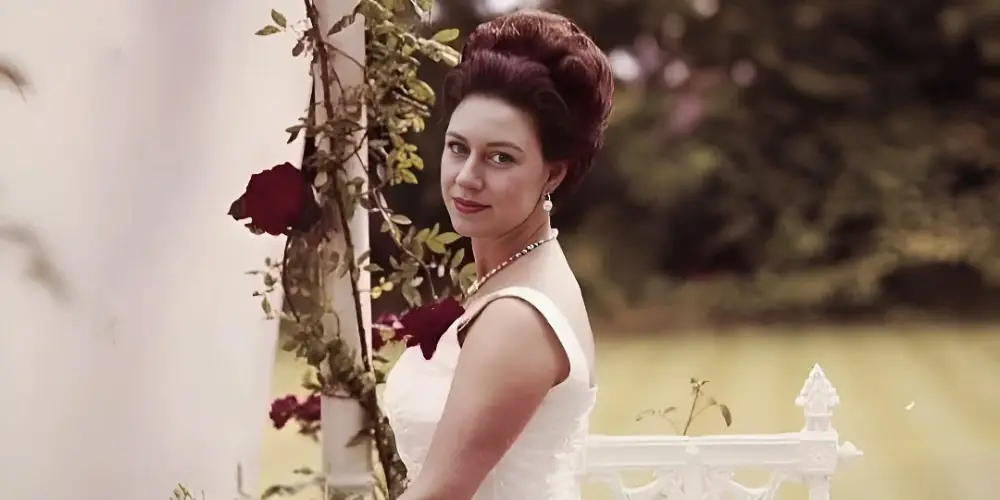
Instagram | princess.margartyy | Princess Margaret’s birth popularized modern horoscopes.
Although Princess Margaret didn’t directly contribute to astrology, her birth inspired the creation of modern horoscopes. The need for a fresh take on her royal birth story led the “Sunday Express” to feature Naylor’s predictions, bringing astrology into the mainstream.
Her connection to the abdication of King Edward VIII further enhanced public interest. The accuracy of Naylor’s predictions intrigued readers, adding legitimacy to astrology in the public eye.
Millions of people rely on horoscopes for daily, weekly, or monthly guidance, seeking advice on relationships, careers, or personal growth, or simply enjoying them for entertainment. Modern horoscopes owe much of their appeal to Naylor’s early columns, where he personalized zodiac predictions and introduced traits for each sign, creating a format that resonated with readers.
Horoscopes remain a significant part of popular media, from newspapers to online platforms. While astrology’s roots date back centuries, its modern popularity is largely attributed to a single event in 1930—the birth of Princess Margaret.